


The Evolution of Human Speech: From Grunts to Global Communication
“Ultra-photorealistic cinematic scene showing a timeline of human communication, with prehistoric humans around a campfire transitioning into modern people using voice technology, layered visuals, natural lighting, hyper-detailed textures, realistic human expressions, documentary photography style, no text, no symbols, no logos.”

How Human Language Began: The Theories That Changed Everything
How did humans go from simple sounds to complex languages? Explore the groundbreaking theories that explain the birth of speech, the evolution of the human mind, and the discoveries that reshaped how we understand communication, culture, and consciousness.
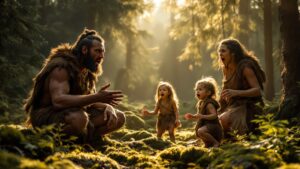
The Origin of Words: How Early Humans Learned to Speak
Journey back to humanity’s earliest voices and discover how sounds, gestures, and stories evolved into words. Explore the science and mystery behind how humans learned to speak, connect minds, build cultures, and shape the world through language. From survival signals to storytelling, language transformed cooperation, identity, and imagination across generations.