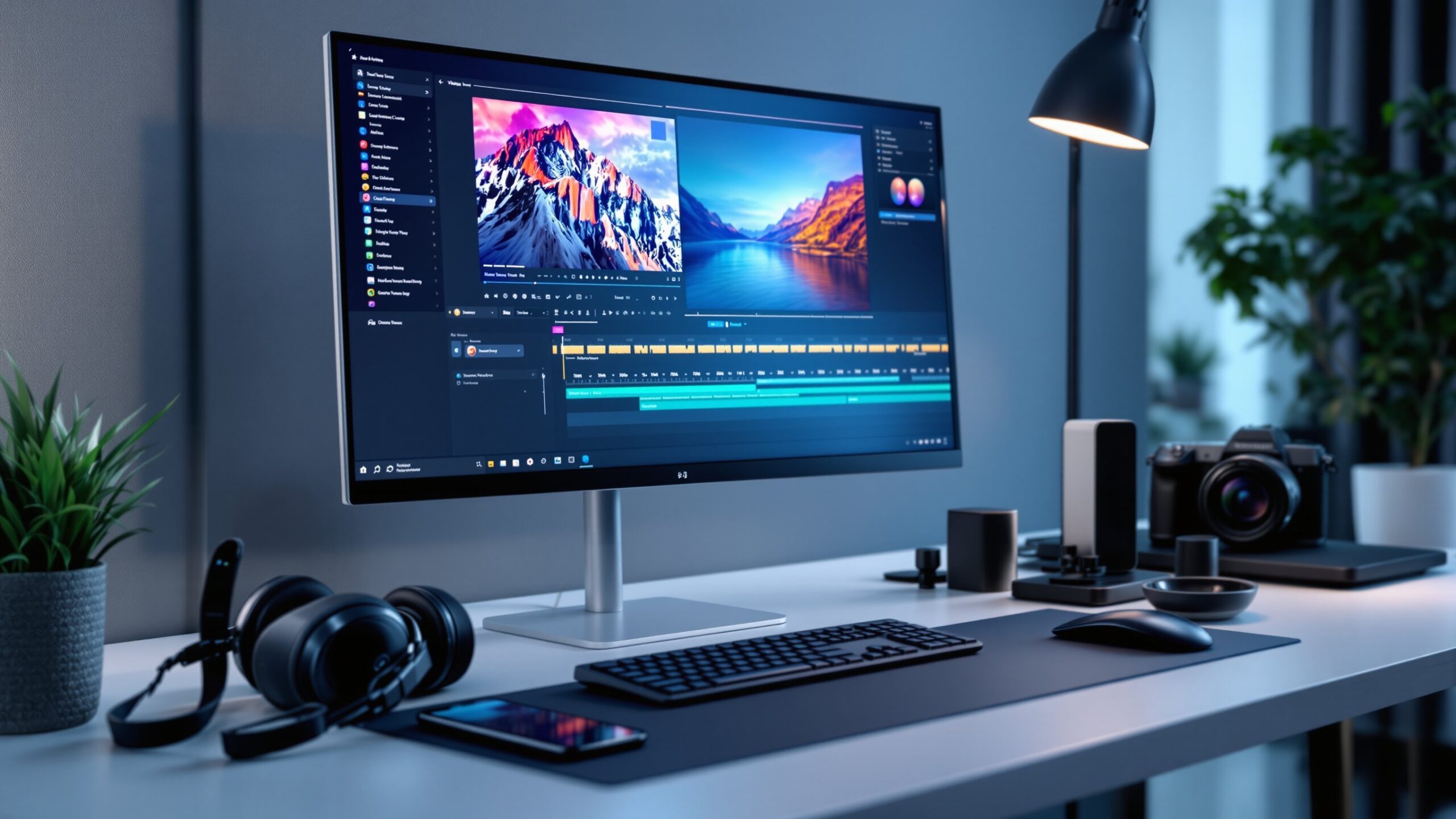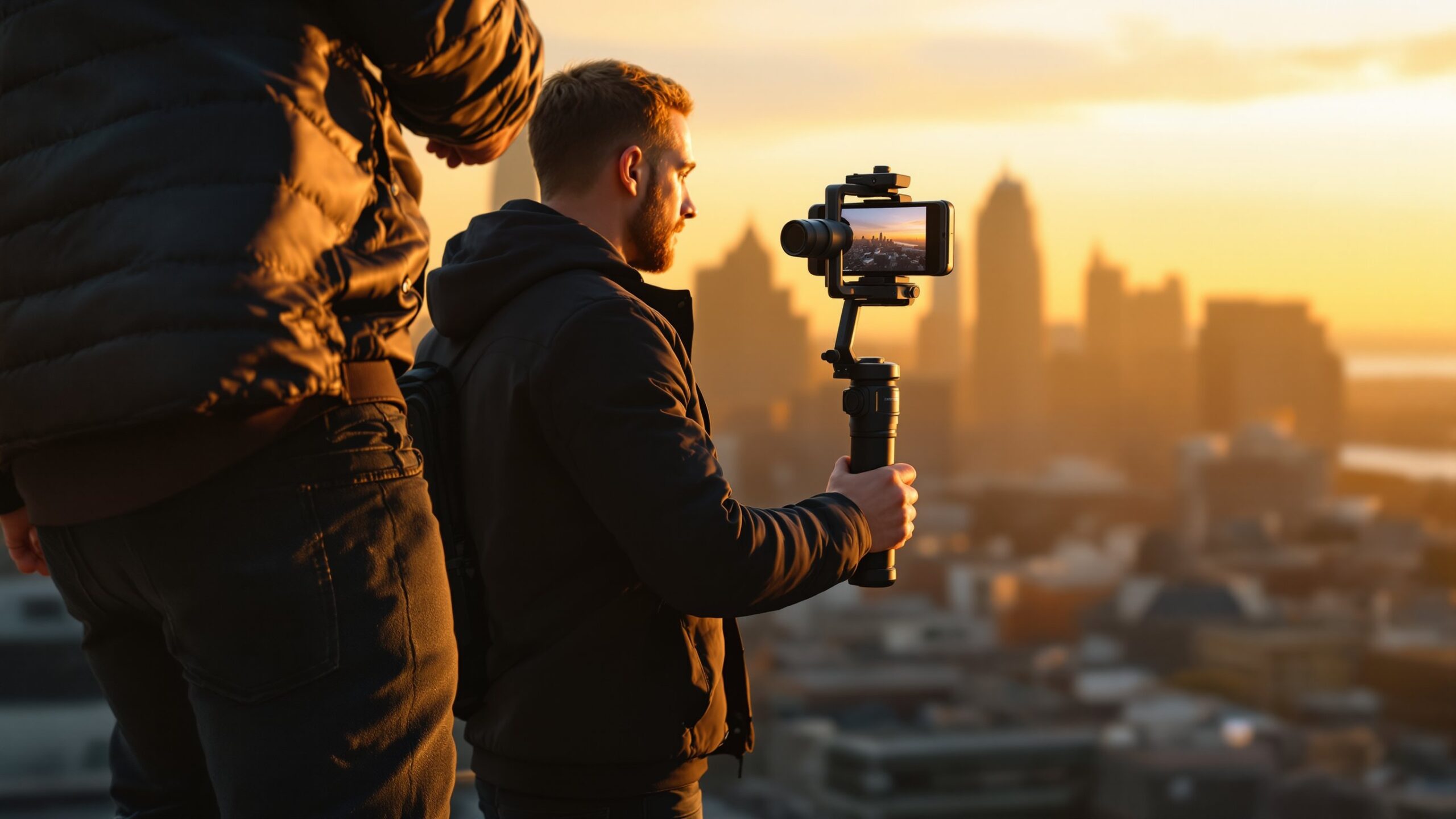
Cinematic video is not defined by the camera you use—it is defined by how you see. The most powerful transformation you can make is shifting from “recording moments” to “crafting visual stories.” This mindset is what separates casual footage from something that feels intentional, emotional, and immersive. When filmmakers talk about cinematic quality, they are referring to a combination of storytelling, composition, lighting, motion, and sound working together seamlessly. A smartphone in the hands of someone who understands these principles can easily outperform expensive gear used without intention. The goal is not to chase perfection through equipment, but to develop control over what the viewer feels when they watch your footage. Every cinematic shot asks a question: What is the audience supposed to feel right now? Once you answer that, every decision—from camera angle to lighting—starts to fall into place.
A: Yes—good light, stable framing, thoughtful movement, and solid editing matter more than expensive gear.
A: 24fps is the classic starting point for a film-like feel.
A: No—tripods, careful handheld technique, and slower movement can still look excellent.
A: It may be harsh lighting, shaky movement, inconsistent color, or overly high shutter speed.
A: Either can work; the key is controlling direction, softness, and brightness.
A: Not always—1080p with great lighting and composition can still look cinematic.
A: Improve lighting first, then stabilization, then audio.
A: Extremely important—pacing, music, color, and shot order shape the final cinematic feel.
A: Not necessarily—depth, lighting, and composition can create a cinematic image even without heavy blur.
A: Learn light, framing, and storytelling before chasing more gear.
Composition: Framing the Story Before You Press Record
Composition is one of the most immediate ways to elevate your footage. It is the visual language that guides the viewer’s eye and establishes emotional tone. Even with a phone, mastering composition can instantly make your video feel more professional.
Start by understanding the rule of thirds. Imagine your frame divided into nine equal sections. Placing your subject along these lines or intersections creates balance and visual interest. But cinematic composition goes beyond rules—it uses depth, framing, and negative space to tell a story.
Foreground elements add dimension, making your shots feel layered rather than flat. Shooting through objects—like doorways, leaves, or windows—creates a sense of perspective and immersion. Negative space, on the other hand, can communicate isolation, tension, or calm depending on how it’s used.
Symmetry and leading lines are also powerful tools. Roads, hallways, or architectural features can guide the viewer’s eye directly to your subject. These techniques are simple, yet when used thoughtfully, they instantly elevate even the most basic footage.
Lighting: The Secret Ingredient Behind Cinematic Quality
If there is one factor that defines cinematic video more than anything else, it is lighting. Great lighting creates mood, depth, and realism. The good news is that you don’t need expensive equipment to achieve it. Natural light is one of your greatest assets. Shooting during golden hour—shortly after sunrise or before sunset—provides soft, warm light that flatters subjects and creates beautiful contrast. Midday sun, while bright, can be harsh and unforgiving, so positioning your subject in open shade can help soften shadows.
Direction matters just as much as intensity. Side lighting adds depth and texture, while backlighting can create dramatic silhouettes or a glowing halo effect. Even indoors, a simple window can act as a cinematic light source when used correctly. The key is to avoid flat lighting. When everything is evenly lit, the image loses dimension. Instead, aim for contrast between light and shadow. This interplay is what gives your footage that rich, cinematic feel.
Camera Movement: Turning Static Shots into Dynamic Scenes
Movement is where cinematic video truly comes alive. A static shot can be powerful, but intentional camera movement adds energy, emotion, and flow to your visuals.
Smoothness is critical. Shaky footage immediately breaks immersion. If you don’t have a stabilizer, use your body as one. Keep your elbows close, bend your knees slightly, and move slowly and deliberately. Walking heel-to-toe can help reduce bounce.
There are several foundational movements to master. The push-in draws the viewer closer to the subject, often increasing emotional intensity. The pull-back reveals context and can create a sense of scale or distance. Panning and tilting allow you to explore a scene, while tracking shots follow a subject and create immersion.
The most important rule is to move with purpose. Every motion should serve the story. Random movement can feel distracting, but intentional movement feels cinematic.
Frame Rate and Shutter: Creating That Film-Like Motion
One of the most overlooked aspects of cinematic video is motion itself. The way movement appears on screen is heavily influenced by your frame rate and shutter speed. Most cinematic footage is shot at 24 frames per second. This frame rate mimics the look of traditional film and creates natural motion blur that feels organic to the human eye. Shooting at higher frame rates can make footage look overly smooth, which is often associated with video rather than film.
Equally important is your shutter speed. A common guideline is the 180-degree rule, which means your shutter speed should be roughly double your frame rate. For example, if you are shooting at 24 fps, your shutter speed should be around 1/48 or 1/50. This creates the right amount of motion blur, making movement feel natural and cinematic. Even many smartphones now allow manual control over these settings through built-in or third-party apps. Learning to adjust them is a game-changer for achieving a professional look.
Color and Tone: Crafting a Cinematic Look in Post
Color plays a huge role in how your footage feels. It is where your visuals transition from raw footage into a polished, cinematic experience.
Start with color correction, which ensures your footage has accurate exposure, contrast, and white balance. Once your image looks natural, you can move into color grading, where you shape the mood.
Cinematic color grading often involves subtle contrast, slightly muted highlights, and carefully chosen tones. Warm tones can evoke nostalgia or comfort, while cooler tones can create tension or isolation. Teal and orange is a popular cinematic look because it enhances skin tones while adding contrast to the background.
The key is restraint. Overly aggressive color grading can look artificial. A cinematic look is usually subtle, enhancing the image rather than overpowering it.
Depth of Field: Achieving That Blurred Background Look
One of the hallmarks of cinematic video is a shallow depth of field, where the subject is sharp and the background is softly blurred. While larger cameras achieve this naturally with wide apertures, smartphones can still create a similar effect with the right techniques.
Distance is your ally. Placing your subject farther away from the background increases the blur effect, even on smaller sensors. Moving closer to your subject also enhances this separation.
Many modern phones include portrait or cinematic modes that simulate depth of field using software. While not perfect, they can produce impressive results when used carefully. More importantly, depth of field is not just about blur—it is about focus. Directing the viewer’s attention to a specific subject is what makes your shot feel intentional and cinematic.
Sound Design: The Invisible Layer of Cinematic Storytelling
While visuals often get the most attention, sound is what truly completes a cinematic experience. Poor audio can instantly make even beautiful footage feel amateur. Clear dialogue, ambient sound, and subtle background noise all contribute to realism. Even if you are shooting with a phone, using an external microphone can dramatically improve audio quality.
Beyond recording, sound design in editing adds another layer. The gentle hum of a city, the rustle of leaves, or distant footsteps can make a scene feel alive. Music also plays a powerful role in shaping emotion. The right soundtrack can elevate a simple moment into something unforgettable.
Cinematic video is as much heard as it is seen.
Editing: Where the Story Comes Together
Editing is where all your elements—visuals, sound, and pacing—combine into a cohesive story. It is not just about cutting clips together; it is about shaping the viewer’s experience. Pacing is crucial. Quick cuts can create energy and excitement, while longer shots allow moments to breathe. The rhythm of your edits should match the tone of your story.
Transitions should be intentional and often subtle. Simple cuts are usually more cinematic than flashy effects. Matching movement between shots can create smooth, seamless transitions that feel professional. Editing is also where you refine your narrative. Remove anything that does not serve the story. Cinematic storytelling is often about what you choose to leave out as much as what you include.
Using Your Phone Like a Pro Camera
Smartphones today are incredibly powerful filmmaking tools. To get the most out of them, you need to treat them like professional cameras.
First, use the rear camera whenever possible, as it typically offers higher quality. Clean your lens before shooting—something surprisingly overlooked but essential for clarity.
Manual control apps allow you to adjust exposure, focus, white balance, and more. Locking these settings prevents unwanted shifts during recording, which can break the cinematic feel.
Accessories can also make a difference. A small tripod, stabilizer, or clip-on lens can expand your creative possibilities without requiring a large investment.
Most importantly, focus on technique. A well-composed, well-lit shot on a phone will always outperform a poorly executed shot on expensive gear.
Storytelling: The Heart of Every Cinematic Shot
At its core, cinematic video is about storytelling. Every shot, movement, and edit should serve a purpose within the narrative.
Even a simple scene can feel cinematic when it tells a story. A person walking down a street becomes more engaging when you consider why they are walking, what they are feeling, and how the environment reflects that emotion.
Think in sequences rather than single shots. Wide shots establish context, medium shots show action, and close-ups reveal emotion. Combining these perspectives creates a complete and engaging story.
Emotion is what makes a video memorable. When viewers feel something, they connect with your work on a deeper level.
Practical Shooting Tips for Instant Improvement
Small adjustments can lead to significant improvements in your footage. Holding your camera steady, paying attention to your background, and avoiding digital zoom are simple yet effective ways to elevate quality. Planning your shots before you start filming can also make a big difference. Visualizing your sequence helps ensure that your footage flows naturally in editing. Consistency is another key factor. Maintaining similar lighting, color, and composition across your shots creates a cohesive, cinematic look. Finally, practice is essential. The more you shoot, the more intuitive these techniques become.
Common Mistakes That Break the Cinematic Look
Even with the right tools, certain mistakes can quickly undermine your footage. Overexposure, shaky camera work, inconsistent lighting, and poor audio are some of the most common issues.
Over-editing is another pitfall. Excessive effects, transitions, or color grading can make your video feel artificial. Cinematic work often relies on subtlety and restraint.
Ignoring storytelling is perhaps the biggest mistake of all. Without a clear narrative or emotional focus, even technically perfect footage can feel empty.
Avoiding these mistakes is just as important as mastering the techniques themselves.
Creating Cinematic Magic Anywhere
The beauty of cinematic video is that it is accessible to anyone willing to learn and experiment. You do not need expensive gear or a large crew to create something visually stunning and emotionally compelling. By focusing on composition, lighting, movement, sound, and storytelling, you can transform ordinary moments into cinematic experiences. Your phone becomes more than just a device—it becomes a creative tool capable of capturing powerful stories. The next time you press record, remember that cinematic quality is not about the camera in your hand. It is about the vision behind it.