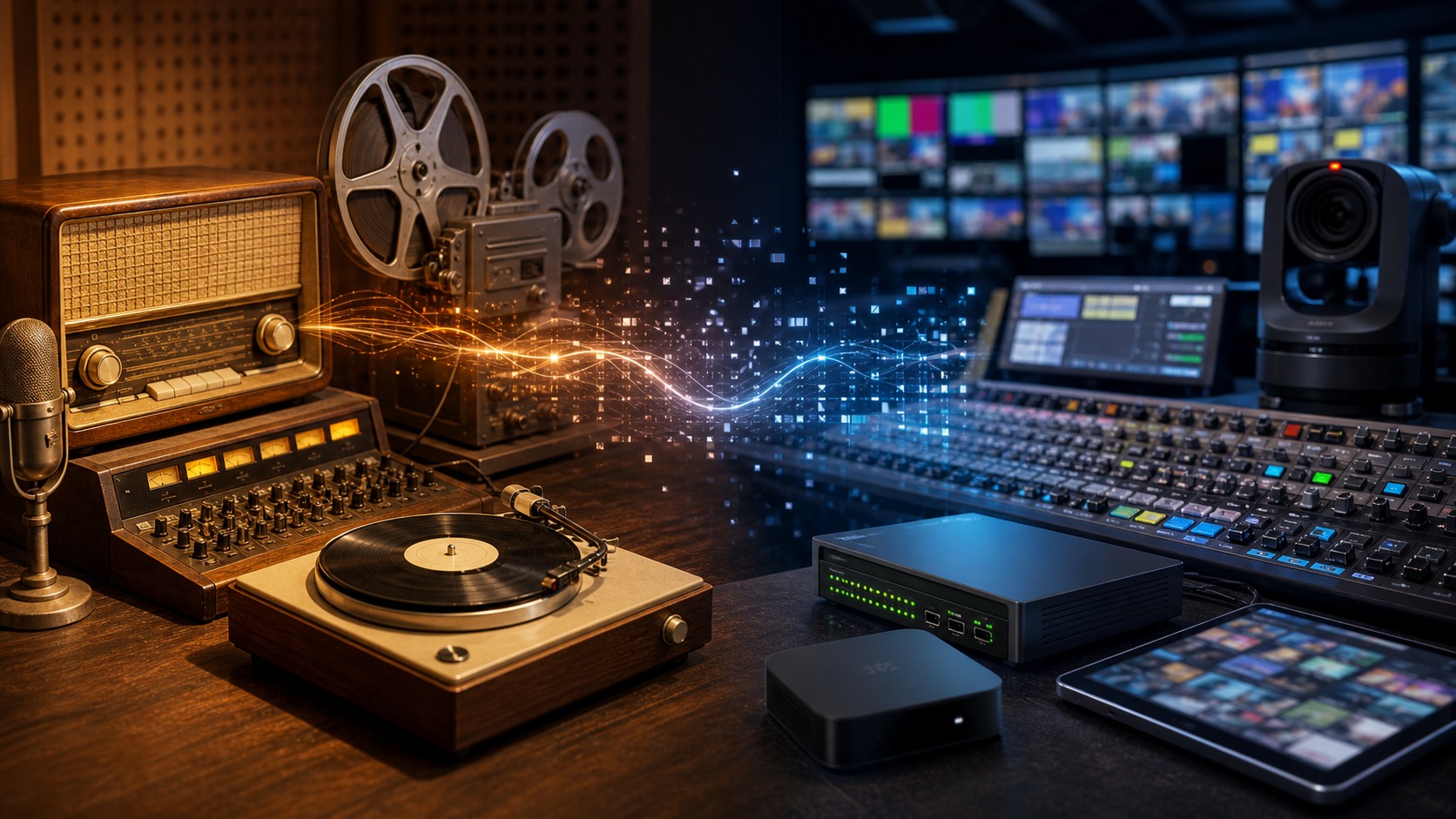
The Evolution of Broadcasting Technology: Analog to Digital Explained is more than a phrase on a content calendar. It points to a practical communication problem: how people discover information, decide whether to trust it, and choose what to do next. In Broadcasting Technology, the answer rarely comes from one clever message alone. It comes from matching the right idea with the right audience, the right channel, and the right moment. This guide explains the topic through a technology history lens so the concept feels clear, useful, and ready to apply.
A: A computer, DAW, audio interface, headphones or monitors, microphone, and cables are enough to begin.
A: The best DAW is the one you can learn consistently; popular options include Logic, Ableton, Pro Tools, FL Studio, and Reaper.
A: No. Stock EQ, compression, reverb, delay, and limiter tools can produce professional results.
A: 44.1 kHz is common for music, while 48 kHz is common for video and multimedia work.
A: Mixing blends individual tracks; mastering polishes the final stereo mix for release.
A: Too much low-mid buildup, poor arrangement, or overuse of reverb can make mixes feel muddy.
A: Leave headroom and avoid clipping; mastering handles final loudness.
A: Monitors help judge space and balance, while headphones help reveal detail; using both is ideal.
A: Basics can be learned in months, but professional listening and workflow skills develop over years.
A: Practice clean recording, session organization, volume balance, EQ, compression, and reference listening.
Why broadcasting began as an analog system
Why broadcasting began as an analog system matters because technology history is easiest to understand when it is connected to a real communication decision. For an article like The Evolution of Broadcasting Technology: Analog to Digital Explained, the practical question is not whether the idea sounds impressive, but whether a person can use it with confidence. A useful way to think about it is to follow the path from audience need, to message choice, to channel behavior, to measurable response. That path keeps the work grounded: every tactic has a job, every example has a reason, and every result can be traced back to a communication choice.
That path keeps the work grounded: every tactic has a job, every example has a reason, and every result can be traced back to a communication choice. Beginners often look for the perfect tool first, but experienced communicators usually start by clarifying the situation the tool is supposed to improve. When the situation is clear, the strategy becomes calmer, easier to explain, and much easier to adapt when audience behavior changes. The best plans also leave room for listening, because communication is rarely a one-way transfer of information.
The strengths and limits of analog signals
For an article like The Evolution of Broadcasting Technology: Analog to Digital Explained, the practical question is not whether the idea sounds impressive, but whether a person can use it with confidence. A useful way to think about it is to follow the path from audience need, to message choice, to channel behavior, to measurable response. That path keeps the work grounded: every tactic has a job, every example has a reason, and every result can be traced back to a communication choice. Beginners often look for the perfect tool first, but experienced communicators usually start by clarifying the situation the tool is supposed to improve.
Beginners often look for the perfect tool first, but experienced communicators usually start by clarifying the situation the tool is supposed to improve. When the situation is clear, the strategy becomes calmer, easier to explain, and much easier to adapt when audience behavior changes. The best plans also leave room for listening, because communication is rarely a one-way transfer of information. Strong execution comes from repeating the right signals consistently enough that people know what the message means and why it matters.
Digital compression changed everything
A useful way to think about it is to follow the path from audience need, to message choice, to channel behavior, to measurable response. That path keeps the work grounded: every tactic has a job, every example has a reason, and every result can be traced back to a communication choice. Beginners often look for the perfect tool first, but experienced communicators usually start by clarifying the situation the tool is supposed to improve. When the situation is clear, the strategy becomes calmer, easier to explain, and much easier to adapt when audience behavior changes.
When the situation is clear, the strategy becomes calmer, easier to explain, and much easier to adapt when audience behavior changes. The best plans also leave room for listening, because communication is rarely a one-way transfer of information. Strong execution comes from repeating the right signals consistently enough that people know what the message means and why it matters. Digital compression changed everything matters because Broadcasting Technology is easiest to understand when it is connected to a real communication decision.
Satellite, cable, internet, and mobile shifts
That path keeps the work grounded: every tactic has a job, every example has a reason, and every result can be traced back to a communication choice. Beginners often look for the perfect tool first, but experienced communicators usually start by clarifying the situation the tool is supposed to improve. When the situation is clear, the strategy becomes calmer, easier to explain, and much easier to adapt when audience behavior changes. The best plans also leave room for listening, because communication is rarely a one-way transfer of information.
The best plans also leave room for listening, because communication is rarely a one-way transfer of information. Strong execution comes from repeating the right signals consistently enough that people know what the message means and why it matters. Satellite, cable, internet, and mobile shifts matters because Broadcasting Technology is easiest to understand when it is connected to a real communication decision. For an article like The Evolution of Broadcasting Technology: Analog to Digital Explained, the practical question is not whether the idea sounds impressive, but whether a person can use it with confidence.
How audiences changed with the technology
Beginners often look for the perfect tool first, but experienced communicators usually start by clarifying the situation the tool is supposed to improve. When the situation is clear, the strategy becomes calmer, easier to explain, and much easier to adapt when audience behavior changes. The best plans also leave room for listening, because communication is rarely a one-way transfer of information. Strong execution comes from repeating the right signals consistently enough that people know what the message means and why it matters.
Strong execution comes from repeating the right signals consistently enough that people know what the message means and why it matters. How audiences changed with the technology matters because Broadcasting Technology is easiest to understand when it is connected to a real communication decision. For an article like The Evolution of Broadcasting Technology: Analog to Digital Explained, the practical question is not whether the idea sounds impressive, but whether a person can use it with confidence. A useful way to think about it is to follow the path from audience need, to message choice, to channel behavior, to measurable response.
What digital workflows made possible
When the situation is clear, the strategy becomes calmer, easier to explain, and much easier to adapt when audience behavior changes. The best plans also leave room for listening, because communication is rarely a one-way transfer of information. Strong execution comes from repeating the right signals consistently enough that people know what the message means and why it matters. What digital workflows made possible matters because technology history is easiest to understand when it is connected to a real communication decision.
What digital workflows made possible matters because Broadcasting Technology is easiest to understand when it is connected to a real communication decision. For an article like The Evolution of Broadcasting Technology: Analog to Digital Explained, the practical question is not whether the idea sounds impressive, but whether a person can use it with confidence. A useful way to think about it is to follow the path from audience need, to message choice, to channel behavior, to measurable response. That path keeps the work grounded: every tactic has a job, every example has a reason, and every result can be traced back to a communication choice.
Where broadcasting may go next
The best plans also leave room for listening, because communication is rarely a one-way transfer of information. Strong execution comes from repeating the right signals consistently enough that people know what the message means and why it matters. Where broadcasting may go next matters because technology history is easiest to understand when it is connected to a real communication decision. For an article like The Evolution of Broadcasting Technology: Analog to Digital Explained, the practical question is not whether the idea sounds impressive, but whether a person can use it with confidence.
For an article like The Evolution of Broadcasting Technology: Analog to Digital Explained, the practical question is not whether the idea sounds impressive, but whether a person can use it with confidence. A useful way to think about it is to follow the path from audience need, to message choice, to channel behavior, to measurable response. That path keeps the work grounded: every tactic has a job, every example has a reason, and every result can be traced back to a communication choice. Beginners often look for the perfect tool first, but experienced communicators usually start by clarifying the situation the tool is supposed to improve.
Putting The Evolution of Broadcasting Technology: Analog to Digital Explained Into Practice
The most useful next step is to turn the idea into a small working system. Define the audience, name the change you want to create, choose the channels that fit the audience’s habits, and decide what evidence will show progress. Keep the first version simple enough to manage, then improve it with observation. That rhythm helps Broadcasting Technology work become less mysterious and more dependable.
The Evolution of Broadcasting Technology: Analog to Digital Explained ultimately becomes powerful when it helps people communicate with more clarity and less guesswork. The goal is not to chase every trend or copy every example. The goal is to understand the human decision underneath the tactic, then build communication that respects attention, earns trust, and gives the audience a clear reason to keep listening.
Another practical detail is consistency. People usually need repeated, recognizable signals before a message feels familiar enough to trust. For The Evolution of Broadcasting Technology: Analog to Digital Explained, that means the voice, examples, visuals, timing, and call to action should feel connected across the full experience. Consistency does not mean saying the same sentence everywhere. It means making each touchpoint feel like part of the same thoughtful conversation.
Another practical detail is consistency. People usually need repeated, recognizable signals before a message feels familiar enough to trust. For The Evolution of Broadcasting Technology: Analog to Digital Explained, that means the voice, examples, visuals, timing, and call to action should feel connected across the full experience. Consistency does not mean saying the same sentence everywhere. It means making each touchpoint feel like part of the same thoughtful conversation.
Another practical detail is consistency. People usually need repeated, recognizable signals before a message feels familiar enough to trust. For The Evolution of Broadcasting Technology: Analog to Digital Explained, that means the voice, examples, visuals, timing, and call to action should feel connected across the full experience. Consistency does not mean saying the same sentence everywhere. It means making each touchpoint feel like part of the same thoughtful conversation.
Another practical detail is consistency. People usually need repeated, recognizable signals before a message feels familiar enough to trust. For The Evolution of Broadcasting Technology: Analog to Digital Explained, that means the voice, examples, visuals, timing, and call to action should feel connected across the full experience. Consistency does not mean saying the same sentence everywhere. It means making each touchpoint feel like part of the same thoughtful conversation.